Best Printers for Scrapbooking: A Craft Enthusiast's Guide
By Sarah Mitchell · Published · 5 min read
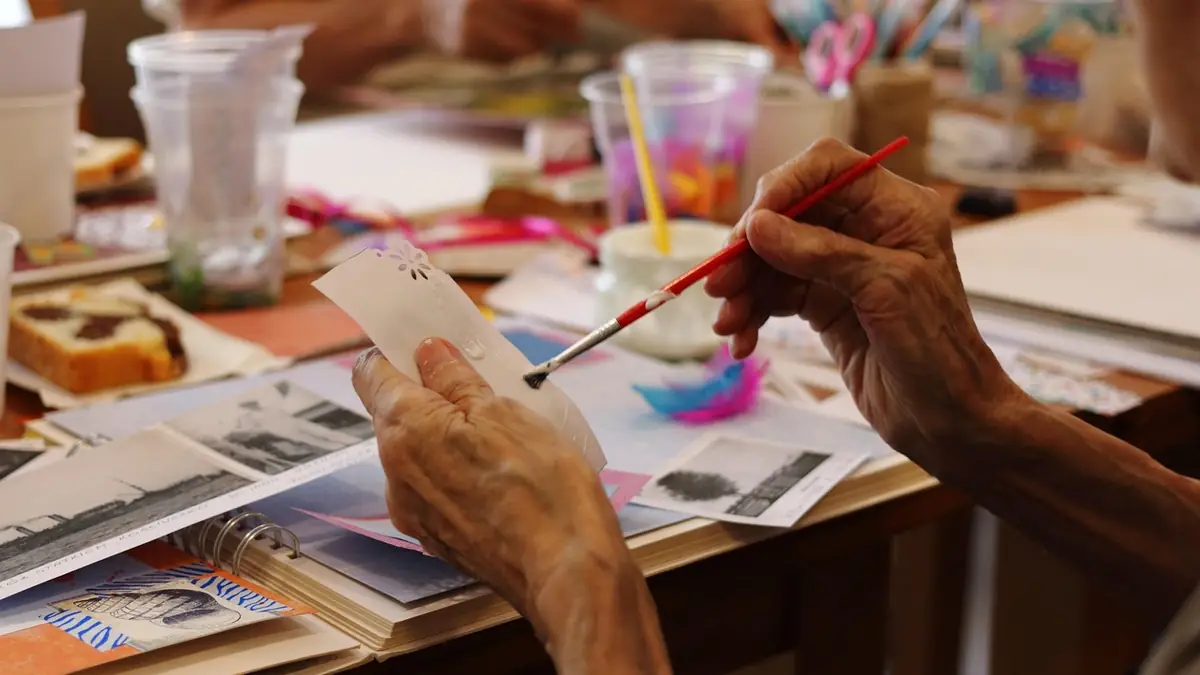
Scrapbooking is more than a hobby—it's a way to preserve memories. But to get those crisp photos, vibrant colors, and smooth cardstock, you need a printer that can handle specialty media without jamming or fading.
In this guide, we'll break down what matters most for scrapbooking printers: print quality, media flexibility, ink costs, and connectivity. Whether you're a casual crafter or a dedicated memory keeper, you'll find the information you need to make a smart purchase.
Why Inkjet Printers Are the Go-To for Scrapbooking
Inkjet printers dominate the scrapbooking world for good reason. They excel at printing photos with smooth gradients and rich colors, and they can handle a wide variety of specialty papers—from glossy photo paper to textured cardstock. Laser printers, while fast and sharp for text, often struggle with thick media and can't produce the same photo-realistic output that scrapbookers demand.
Most inkjet models designed for photo printing use dye-based inks that produce vibrant colors, but they may fade over time. Pigment-based inks are more fade-resistant but can be less vibrant on glossy paper. For scrapbooking, where longevity matters, consider a printer that uses pigment inks or offers a combination of dye and pigment. Also, look for models with individual ink tanks to save money on replacements.
- Inkjet printers handle photo paper and cardstock up to 300gsm or more.
- Dye inks give vibrant colors; pigment inks resist fading.
- Individual ink tanks reduce waste and cost.
- Look for models with a rear paper feed for straight-through media paths.
Key Features to Look For in a Scrapbooking Printer
When shopping for a scrapbooking printer, prioritize print resolution and color accuracy. A resolution of at least 4800 x 1200 dpi ensures fine detail in photos. But resolution alone isn't everything—color gamut and ink droplet size also matter. Many photo-centric inkjets offer six or more ink colors, which broaden the gamut for more lifelike prints.
Media handling is equally important. Scrapbookers often use thick cardstock, sticker paper, and specialty sheets. A printer with a straight-through paper path and adjustable guides reduces jams. Also, check the maximum media weight and thickness; some printers cap at 200gsm, while others handle 300gsm or more. Finally, consider connectivity: Wi-Fi and mobile printing make it easy to print from your phone or camera.
- Print resolution: 4800 x 1200 dpi or higher for photos.
- Six-color ink systems for wider color gamut.
- Rear feed and straight path for thick media.
- Wi-Fi Direct and app support for easy printing.
Photo Quality: What Really Matters
Scrapbook photos are often the centerpiece of a page, so print quality is non-negotiable. Look for printers that produce sharp details and smooth color transitions. Many manufacturers offer sample prints or online reviews with high-resolution scans. Pay attention to how the printer handles skin tones and shadows—these are common weak points.
Another factor is ink droplet size. Smaller droplets (measured in picoliters) produce finer detail and smoother gradients. A printer with 1.5 picoliter droplets will generally outperform one with 3 picoliter droplets, especially in highlights and subtle color shifts. However, droplet size isn't the only factor; the print head technology and ink formulation also play a role.
- Smaller ink droplets (1.5–2 picoliters) yield finer detail.
- Check sample prints for skin tone accuracy.
- Six-color printers often outperform four-color for photos.
- Consider a dedicated photo printer for best quality.
Cost Considerations: Printer Price vs. Ink Costs
The initial cost of a printer is only part of the story. Ink costs can add up quickly, especially if you print frequently. For scrapbooking, you'll likely print a mix of photos and text, so consider both photo and document printing costs. Printers with individual ink tanks are generally more economical because you replace only the color that runs out.
Also, factor in the cost of specialty paper. Photo paper and cardstock can be expensive, so look for printers that handle a range of media without requiring proprietary brands. Some printers offer high-yield ink cartridges that lower the cost per page. As a rough guide, photo prints can cost anywhere from $0.20 to $0.80 per page, depending on the printer and paper. To get a better sense of overall costs, see our guide on print and cut machines.
- Individual ink tanks save money in the long run.
- High-yield cartridges lower cost per page.
- Third-party paper often works fine; test first.
- Consider a printer with a low cost per photo print.
Media Handling: Cardstock, Stickers, and Specialty Papers
Scrapbooking isn't just about photos—it's about layering, texturing, and embellishing. That means your printer needs to handle a variety of media, from thin vellum to thick chipboard. Check the printer's specifications for media weight and thickness. Many standard inkjets accept up to 300gsm cardstock, but some specialty papers may require a straight-through feed.
Sticker paper is another popular choice for scrapbookers. Look for printers that can handle adhesive-backed sheets without curling or jamming. A rear feed is often better for stickers because it keeps the paper path straight. Also, consider whether the printer can print on envelopes or small sizes—useful for creating custom embellishments. For more on specialty media, see our scrapbooking printer guide.
- Check maximum media weight (300gsm or higher).
- Rear feed reduces jams with thick media.
- Sticker paper requires a straight paper path.
- Some printers support printing on envelopes and small sizes.
Top Printer Types for Scrapbooking
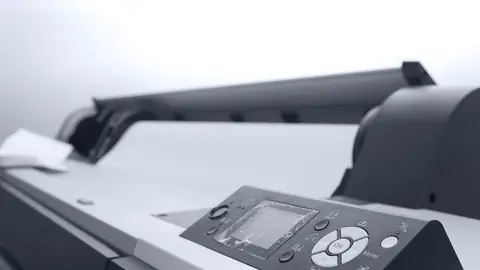
There are several types of printers suitable for scrapbooking, each with pros and cons. Standard all-in-one inkjets are versatile and affordable, but they may not offer the best photo quality. Dedicated photo printers excel at photos but often lack the ability to handle thick cardstock. Wide-format printers can print larger layouts but come at a higher cost and take up more space.
For most scrapbookers, a photo-centric inkjet with good media handling is the sweet spot. If you also print documents, an all-in-one with a flatbed scanner can be handy for copying and digitizing layouts. If you're serious about photo quality, a dedicated photo printer like those in the $200–$500 range might be worth the investment. For digital art prints, see our guide on choosing a printer for giclée quality.
- All-in-one inkjets: versatile and affordable.
- Dedicated photo printers: superior photo quality.
- Wide-format: for large layouts, but pricier.
- Consider a printer with a scanner for digitizing.
Making the Final Decision
Before you buy, think about your scrapbooking style and volume. If you print occasionally, a mid-range all-in-one may suffice. If you print weekly and demand gallery-quality photos, invest in a dedicated photo printer. Also, consider the availability of third-party ink and paper—some printers are more eco-friendly and budget-friendly in that regard.
Read reviews and watch video demonstrations to see actual print quality. Visit a store if possible to test media handling. And don't forget to check warranty and support options. A good printer should last several years with proper care. For a broader comparison of inkjet vs laser for small business, see our article on inkjet vs laser printers.
- Match printer to your printing frequency and quality needs.
- Check third-party ink and paper availability.
- Read reviews and watch demo videos.
- Consider warranty and customer support.
| Printer Type | Photo Quality | Media Handling | Ink Cost | Best For |
|---|---|---|---|---|
| All-in-One Inkjet | Good | Up to 300gsm | Moderate | Versatile crafters |
| Dedicated Photo Printer | Excellent | Up to 300gsm | High | Photo-centric scrapbookers |
| Wide-Format Inkjet | Very Good | Up to 350gsm | High | Large layouts |
| Laser Printer | Fair | Up to 200gsm | Low | Text-heavy documents |
| Tank Inkjet | Good | Up to 250gsm | Very Low | High-volume crafters |
- Inkjet printers are essential for scrapbooking due to their superior photo quality and media flexibility.
- Prioritize print resolution (4800 x 1200 dpi or higher), individual ink tanks, and a straight paper path.
- Consider both initial cost and long-term ink expenses; tank printers offer the lowest cost per print.
- Test specialty media before committing, and look for printers with good third-party supply support.
Sarah has spent over a decade testing and reviewing printers for homes and small businesses. She focuses on practical buying advice, cost analysis, and helping readers avoid common printing pitfalls. Her experience spans inkjet, laser, and specialty printers.